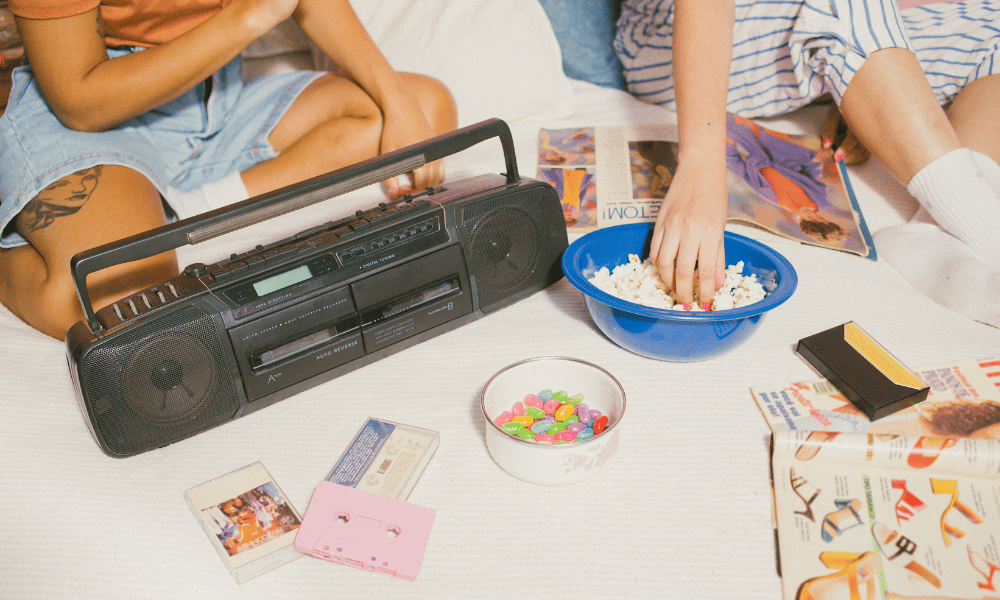
Nostalgia is having a moment. As our reality becomes warped by constant change and our days proceed at a breakneck pace, thinking back to our collective past feels like a warm hug.
The art of retro revival is prevalent across industries. There are all sorts of current trends that have their roots in the 90s and Y2K tidal wave: Think baggy jeans, flip phones, and vaporwave aesthetics. In a time plagued by social and economic instability, it’s no wonder that brands have tapped into shared nostalgia to woo consumers.
However, this approach isn’t without risks. As the term “nostalgia” begins to go the way of “storytelling,” it might be worth asking ourselves if nostalgia is still a powerful tool or just another aesthetic trend being repeated into meaninglessness. Let’s explore the psychological power of nostalgia, the marketing potential it holds, and the difference between using the past with purpose and simply capitalizing on it.
Why Nostalgia Works
Nostalgia works because it speaks directly to the heart. It draws on personal memory, shared cultural experiences, and emotional imprinting. Especially in times of uncertainty, people look to the past as a source of comfort, familiarity, and simplicity.
When marketers tap into these emotional responses, they establish a connection between the brand and the consumer based on a shared cultural moment. That’s why campaigns that reference childhood snacks, analog tech, or vintage design often perform well across generations. Beyond just evoking the past, they remind people of the simplicity and comfort they felt in those moments.
A deeper layer worth considering is that nostalgia provides a sense of continuity alongside comfort. When everything else is in flux, the past can be a reminder of who we’ve been and a clue to who we want to become again. This is where the real emotional opportunity lies for brands: to tap into meaningful cultural moments from bygone days and show that they’re not dead and gone. The past can can be reimagined, reinterpreted, and revived in a meaningful way.
From a strategy standpoint, leveraging nostalgia offers several benefits. It accelerates emotional connection, comes with built-in cultural capital, and can break through content fatigue in an oversaturated landscape. Successful nostalgic campaigns, though, aren’t just about necromancy. Beyond raising a product or trend from the dead, these campaigns are about awareness and adaptation. They tune into what has changed about culture and use this knowledge to tell a story that builds a bridge between past and present.
The Rise (and Risk) of Nostalgia-Washing
But not all throwbacks are created equal. In the rush to ride the trend, some brands fall into a pattern of nostalgia-washing, a term that mirrors critiques of rainbow-washing or green-washing. It refers to campaigns that dredge up retro aesthetics or icons from the past, but without additional substance, context, or meaning to justify their existence in the present. Nostalgia-washing manipulates consumers’ bittersweet longing for the “good ol’ days” to sell a product.
Nostalgia-washing is often visually effective but emotionally empty. It may generate short-term attention, but it rarely builds long-term affinity. Worse, it can backfire when audiences sense a lack of intention or authenticity. This can be especially problematic if the reference point is culturally specific, dated in problematic ways, or disconnected from the brand’s present-day values.
This strategy stumbles when it’s just surface-level, appealing to retro vibes without doing anything to contextualize its resurrection. Even when the product hinges on nostalgia, it should be reiterated in a way that makes it relevant in the modern day. When these elements are absent, the result can feel more like a distraction than a statement. If there’s a disconnect between the nostalgic elements and the product or message, the effect is diluted. What could have been a resonant emotional hook becomes just another creative gimmick.
Nostalgia Done Right: A Framework for Marketers
The most successful campaigns use nostalgia as a lens. They tell a story that happens to wear vintage clothing, rather than showcasing only the clothing itself.
Reissuing an old product or campaign element might garner a flash of recognition, but it risks feeling tone-deaf or manipulative if it doesn’t speak to today’s values, needs, or sensibilities. Reinterpretation is key. Whether it’s updating the message to align with current conversations or reworking the visuals to be more inclusive or nuanced, the goal should be to evoke positive emotions associated with the past without just imitating it. Take for example a recent campaign by Instacart which visually features iconic 90s fashion, and promotes the service by slashing prices on snacks from the era to reflect their 90s pricing. This campaign shows awareness of consumers’ anxieties concerning increasing prices and fulfills their desire for value.
When used sparingly and done well, these campaigns honor history while building contemporary relevance. Marketers who pull this off position their brands not as passive observers of culture, but as active participants in its ongoing transformation. This strategy is at its strongest when it’s used to forge emotional connection, tell stories with intention, and remind audiences of who they are and what matters to them. But when it becomes a crutch or a gimmick, it risks flattening itself into yet another forgettable campaign.
This might sound serious and stoic, but for a lighthearted example, think back to McDonald’s Grimace’s Birthday campaign back in 2023. Reviving a background character in McDonald’s lore allowed Grimace to take on a life of his own with Gen-Z consumers following the commercial, generating a lot of humorous buzz.
Utilizing nostalgia effectively means going deeper than surface-level throwbacks to revive the emotional elements that made a moment, product, or design iconic. Was it the sense of community? A cultural turning point? A spirit of rebellion or joy? These are the threads that matter when woven into a present-day narrative.
What Audiences Are Really Longing For
Nostalgia is rarely just about the past itself. What audiences are really responding to is the emotional residue left by a time, place, or experience. Especially in turbulent times, nostalgia provides a kind of emotional anchor: It reminds us of times when we felt safe, comfortable, or blissfully unaware of the world’s complexities. It offers stability in the face of change and a sense of identity when everything else feels uncertain. Nostalgia goes deeper than just yearning for a particular product, logo, or celebrity from the past. Audiences want to rediscover and reconnect with what those things represented in their own personal timelines.
A cereal box design from the ’90s might remind someone of carefree mornings before school. An old retail jingle might summon the warmth of a family shopping trip during the holidays. These memories, while deeply personal, are often shared across generations. For brands, this presents an opportunity to connect on a collective emotional level. When campaigns leveraging nostalgia succeed, they do so because they use the comfort of the past to connect with present emotions.
The best nostalgia campaigns are adapted to the present and aware of the emotional needs of audiences navigating a complex, rapidly changing world. Audiences can tell when a brand is genuinely tapping into shared memory and when it’s just trying to sell them a warm, fuzzy feeling.