
B2B software, medical devices, and compliance solutions are necessary products, but aren’t the type that typically invite excitement or inspire an emotional connection. But that’s exactly why surprise can be such a powerful tool in these industries. When the baseline expectation is dryness or jargon, any disruption from the norm feels amplified.
In the B2C world, surprise has quickly risen to becoming one of the most effective tools in modern marketing. Think limited edition drops and blind boxes, exciting experiences that keep consumers excited, engaged, and coming back for more. But what if you aren’t marketing a product like toys or sneakers?
The element of surprise isn’t just for blind bags. Delivering the unexpected encourages interaction, deepens attention, and builds brand memorability. And yes, it can absolutely work for even the most niche or complex industries.
Subvert Expectations in Format or Delivery
Boring industries often default to white papers, slide decks, and product brochures. What if you presented your content as a comic strip, a live Q&A, an interactive quiz, or even an audio story?
Mailchimp, despite being a B2B email service, produced documentary-style short film s about small businesses under its Mailchimp Presents initiative. The surprise wasn’t the production quality, but rather that a SaaS company made binge-worthy content at all.
Picture a pharmaceutical company sending a physical “field guide” to medical offices that mimics a travel journal, helping practitioners understand a new therapy area. Or a cybersecurity brand replacing a dull product demo with an interactive simulation that mimics a real-world cyberattack. Surprise doesn’t have to be wild. While the examples are totally plausible, they’re still creative, engaging, and invite consumers to perceive the product as an all-around experience, not just a purchase.
Design for Delight
Small surprises embedded into UX, onboarding flows, packaging, or even billing emails can spark delight. These don’t need to be flashy; just clever, considerate, or delightfully offbeat. For example, a compliance tool could create a “boring task leaderboard” to gamify mundane processes. Or for B2B this could mean breaking up a sea of sameness with something clever, such as a campaign with a retro design theme or a surprise CTA that rewards interaction.
These subtle moments build brand character. For a real-world example, look no further than Google Chrome’s famous dinosaur minigame, an easter egg that pops up on the Chrome UX when a user tries to browse while offline. Such surprises add moments of delight to the monotony of scrolling and make the user experience more memorable.
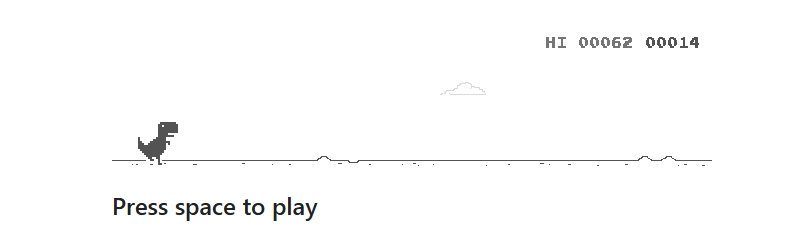
It goes to show that even serious products can incorporate light elements of surprise when the tone allows. Interactive content like quizzes or trivia, easter eggs such as unexpected analogies, or gamified product education are all methods of incorporating a bit of surprise into the design of a product or site.
Turn the Buying Journey into a Mini Experience
Injecting creativity into sales and onboarding materials builds memorability and solidifies the product as an experience in and of itself, promising something exciting and outside the norm.
A pharma brand might turn patient education into a zine-style booklet instead of a typical brochure. Or a B2B SaaS product could turn a pricing conversation into a “choose-your-own-scenario” model that shows value in real time. Both examples are grounded in the principles of the industry, but add a creative touch that amplifies the experience beyond the norm. Even small touches like handwritten notes, unusual subject lines, or playful loading screens can make your brand feel more approachable and human-centered.
Surprise works best when it aligns with your brand’s values, tone, and audience expectations. It shouldn’t feel like a stunt or a desperate reach, but rather a chance to flex your brand’s creative muscle. Especially in regulated industries like healthcare or finance, marketers might need to navigate potential compliance conflicts.
For industries often sidelined in creative conversations, it’s less about “shock value” and more about gently reawakening your audience’s curiosity in a space that usually demands linear thinking. A touch of the unexpected can bring warmth to a cold topic, clarity to complexity, or humanity to a brand that’s long been seen as faceless.
While your brand might not be made for unboxing, but that doesn’t mean you’re stuck marketing in grayscale. When done well, the element of surprise repositions your brand as an experience set apart from others.