

Once upon a time, sounding like a person instead of a corporate handbook was radical. Now, it’s the default. The friendly, down-to-earth voice was originally a token of divergence, but quickly picked up steam. The end result is that brands have converged, once more, into a tone monoculture. The only difference is that instead of the detached and hopelessly formal corporate jargon of yesteryear, the tone of today’s marketing culture is always upbeat, overly friendly, and relentlessly casual. It’s approachable, sure. But it’s also deeply generic.
The movement toward casual brand tone once brought much-needed relief from stiff corporate-speak. It quickly became dominant alongside the rise of D2C brands and social media, which gave brands an opportunity to mingle with audiences more directly than ever. Before it became completely ubiquitous, it was a way to appeal to younger audiences and make brands feel less faceless.
But over time, that once-charming strategy calcified into a pervasive style. The result is a tone monoculture: one brand’s copy that sounds like everyone else’s. As the ultra-casual, overly friendly brand voice became generic, its power to differentiate diminished. If you stripped away the visuals and left only the copy from today’s marketing emails and social posts, you’d likely struggle to tell most brands apart.
Tone Is Strategy, Not Just Style
If voice is decided based on a brand’s core values, then it makes perfect sense that every brand sounds the same these days. Obviously brands value friendliness, simplicity, and approachability, because the absence of those things are no-goes for marketing communications. No brand would tout being unfriendly, unapproachable, and unintelligible as the backbone of their brand voice.
Being friendly isn’t inherently a problem, but it becomes problematic when every brand’s “friendly voice” sounds indistinguishable. To set themselves apart from the rest, brands should let their subtle nuances guide their voice. To craft a voice that sticks with consumers, reflect on the deeper values your brand embodies and let those principles shine through to connect with audiences across channels.
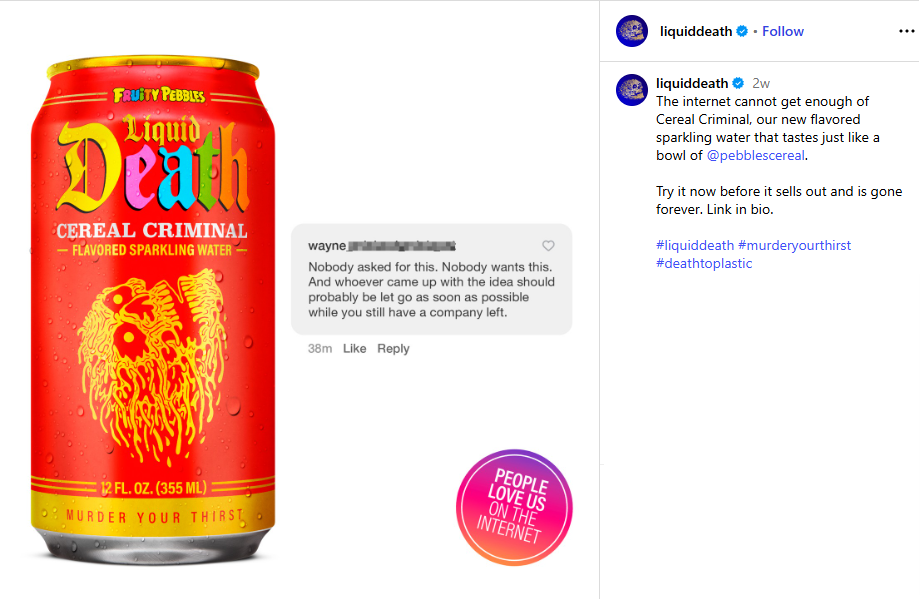
Thankfully, there are good examples out there still. Adobe uses clear, reassuring copy without overdoing informality and even has a handy guide on how they craft their voice. Duolingo plays with humor in marketing but maintains clarity and professionalism in the app’s learning content. Liquid Death’s imaginative and appropriately edgy social media posts are an experience in themselves and pair perfectly with its bold visual style, showcasing what real human ingenuity can add to a brand’s voice. These examples prove that a distinctive voice doesn’t have to mean abandoning friendliness, it just can’t be only friendliness.
Intentional Modulation
A healthy brand voice has range. It can be warm or humorous when the moment calls for it, but it also adapts to context, channel, and audience. When addressing complaints, it might be empathetic. When explaining technical details, it should be precise. The overly friendly brand voice often fails in this regard. When we speak, our tone adapts to match the situation and the audience. Brands can do the same.
Brand voice also has to be flexible enough to reach audiences across channels. To build relevance with audiences, the brand’s tone should match theirs. This is easier said than done, and a big driver towards the brand voice monoculture we see today. Even with in-depth audience research, an effort to appeal to one demographic may be seen as alienation to another. Trying to appeal to everyone sounds like a good, risk-averse compromise, but can sound flat and hollow to consumers.
Being likable is not the same as being effective. Time and time again, marketers have found that authenticity matters more to consumers than humor or relatability. Consumers notice and appreciate when a brand’s tone reflects the nature of the topic, even if that tone is more serious. Younger audiences especially may be fluent in memes and casual speech, but that doesn’t mean they expect or prefer every brand to speak that way. Gen Z, in particular, values directness and depth. Shared values are even more important than a shared voice. For example, McKinsey noted that Gen Z’s attention rests on brands that demonstrate integrity and purpose, not just short and snappy copy. That authenticity can translate directly into a brand’s voice.
There’s nothing wrong with a warm and welcoming tone. But if your voice has gone unchecked for years, you might be slipping into an overly friendly brand voice without realizing it. A strategic refresh can help you reclaim authenticity, differentiate from competitors, and make your brand sound like itself again.